
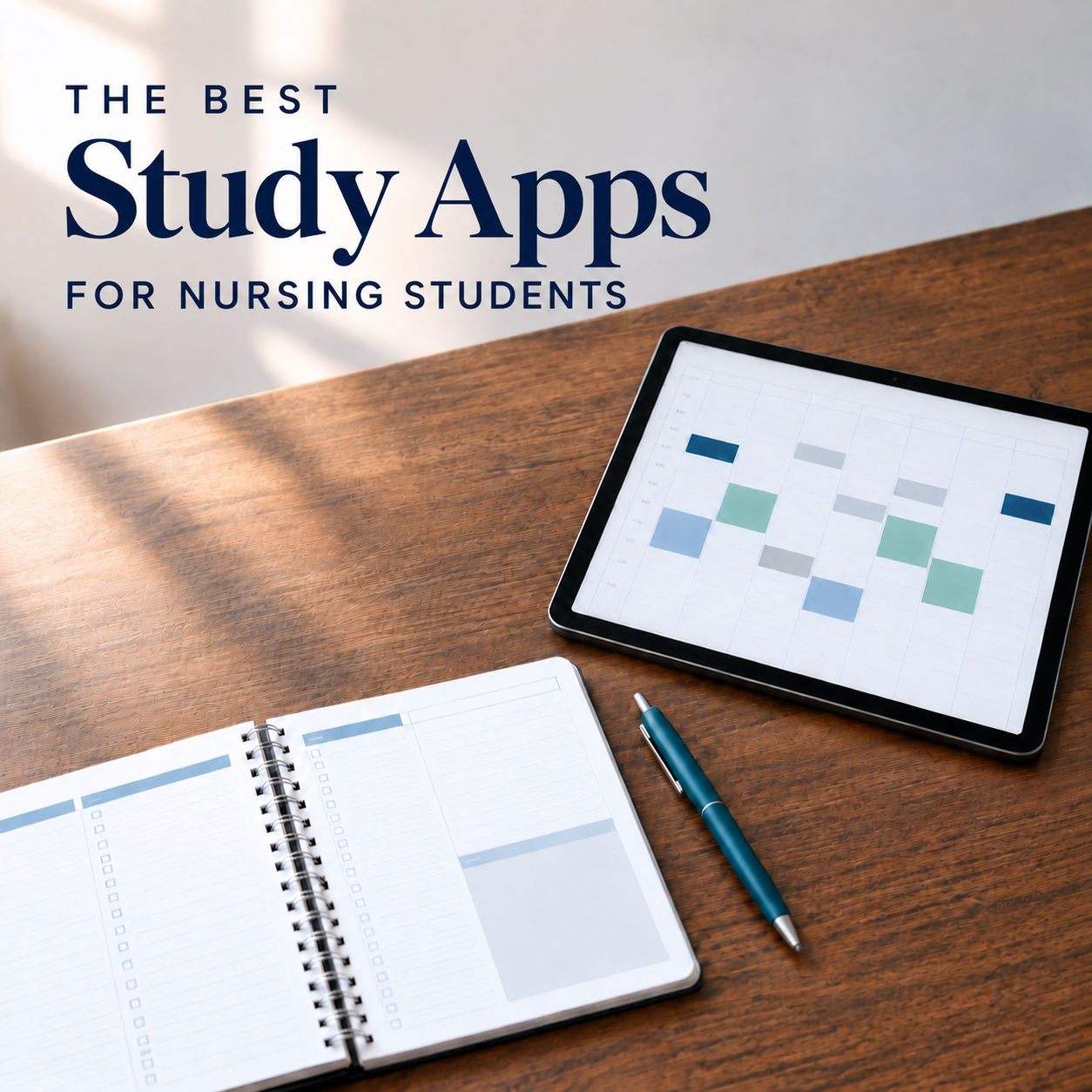
The Best Study Apps for Nursing Students
Nursing school is busy enough without trying to keep your schedule, notes, flashcards, and deadlines organized in five different places. Explore the best study apps for nursing students and learn how to use them to plan ahead, remember more, and make studying feel more manageable.
From The Nursing Professor The Clinical Edition
Clinical can make every awkward moment, wrong answer, or mistake feel huge. But your clinical instructor probably isn’t thinking about it nearly as much as you are. After more than a decade of teaching nursing students, here are the things I wish students knew about what their instructors are really thinking.
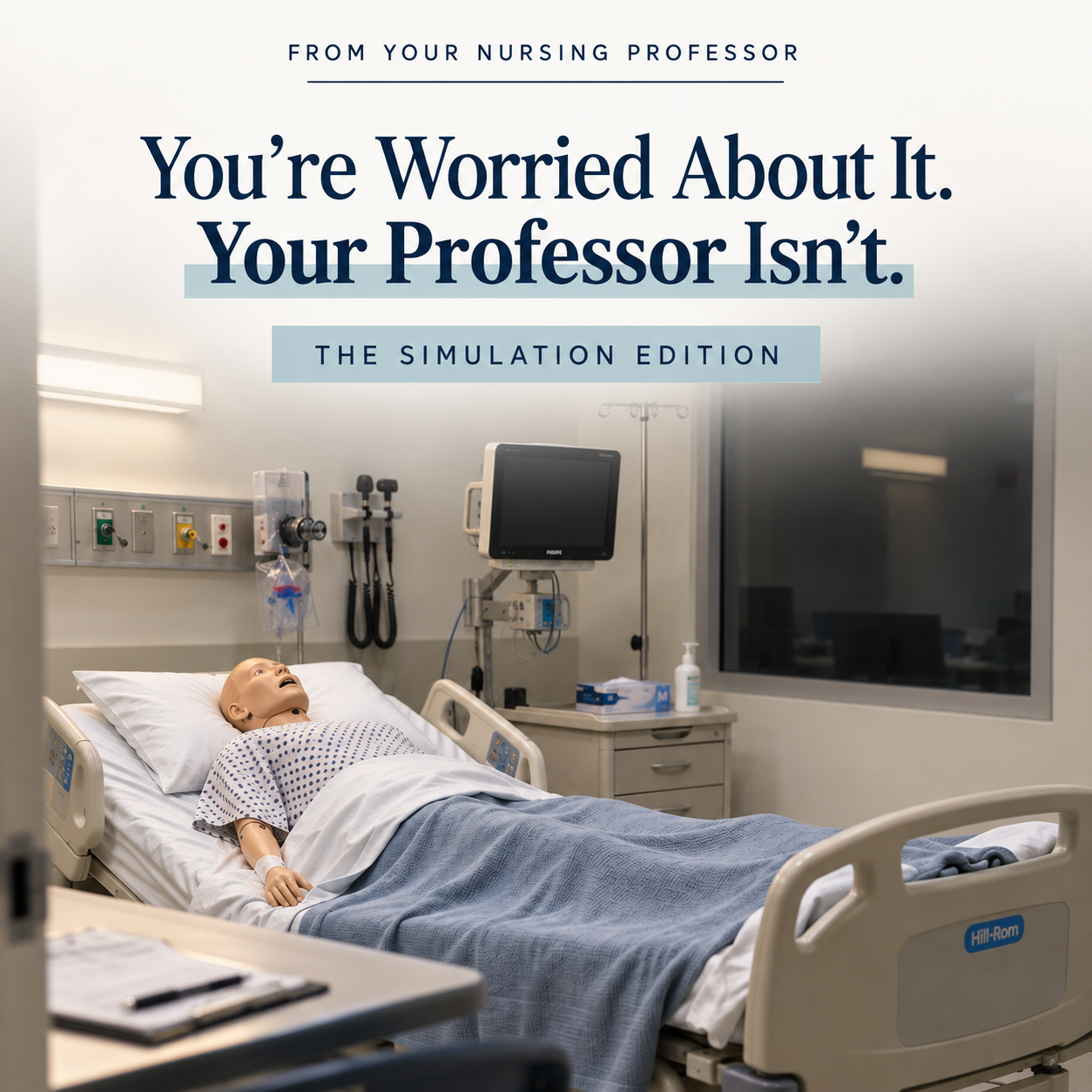
From Your Nursing Professor The Simulation Edition
Nervous about making a mistake in simulation? After watching thousands of nursing simulations, I can tell you, I've seen it all. From freezing under pressure to unexpected mannequin emergencies, the moments students worry about most are often exactly where the learning happens. Here’s what your simulation instructor really wants you to know.
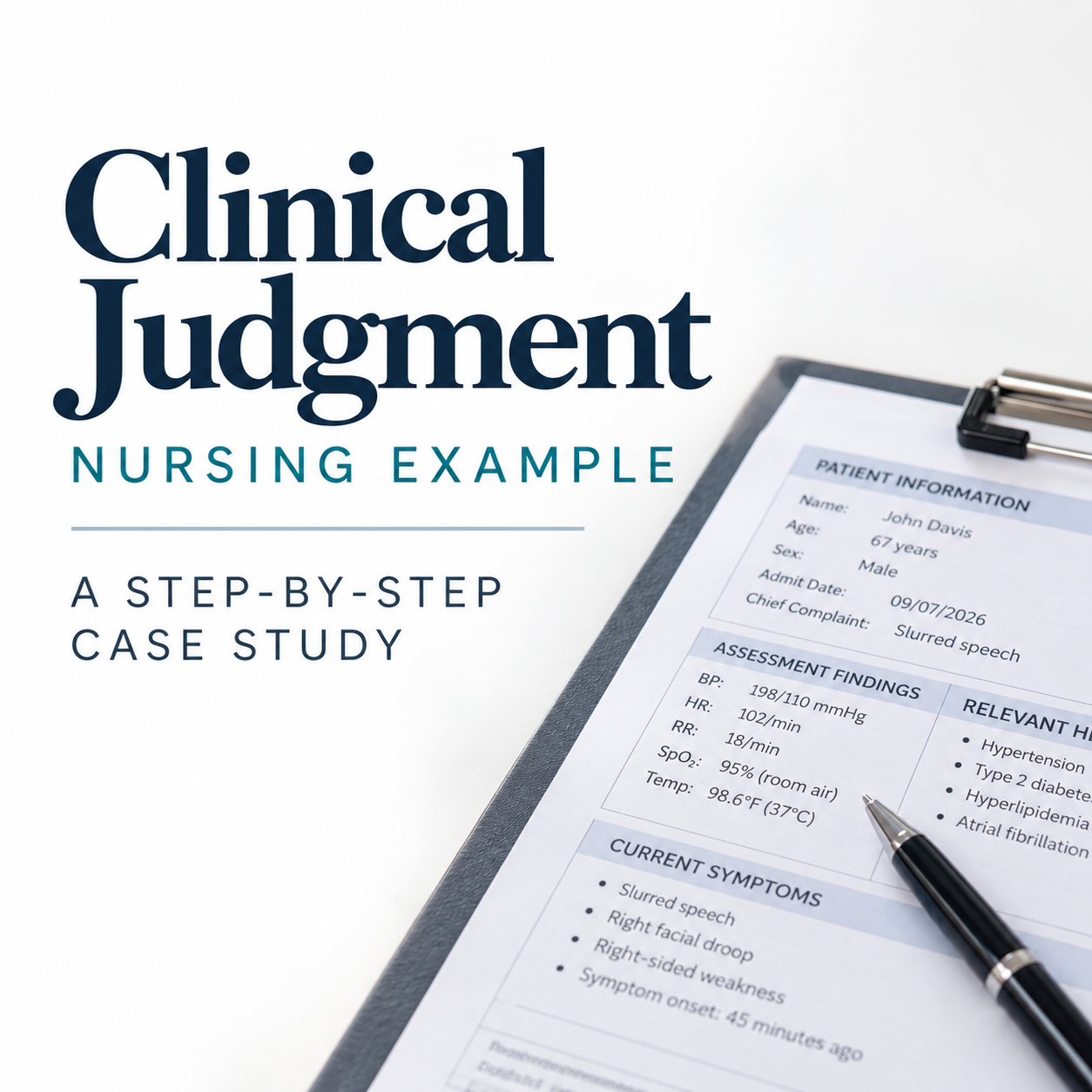
Clinical Judgment in Action: A Step-by-Step Case Study
Follow a patient case from the first assessment through evaluation and see how each step of the Clinical Judgment Measurement Model shapes what happens next.
The Patient Is Experiencing a Delusion. Now What Do You Say?
What do you actually say when a patient is experiencing a delusion? Learn how to respond therapeutically without arguing, reinforcing the belief, or overlooking an important safety concern.
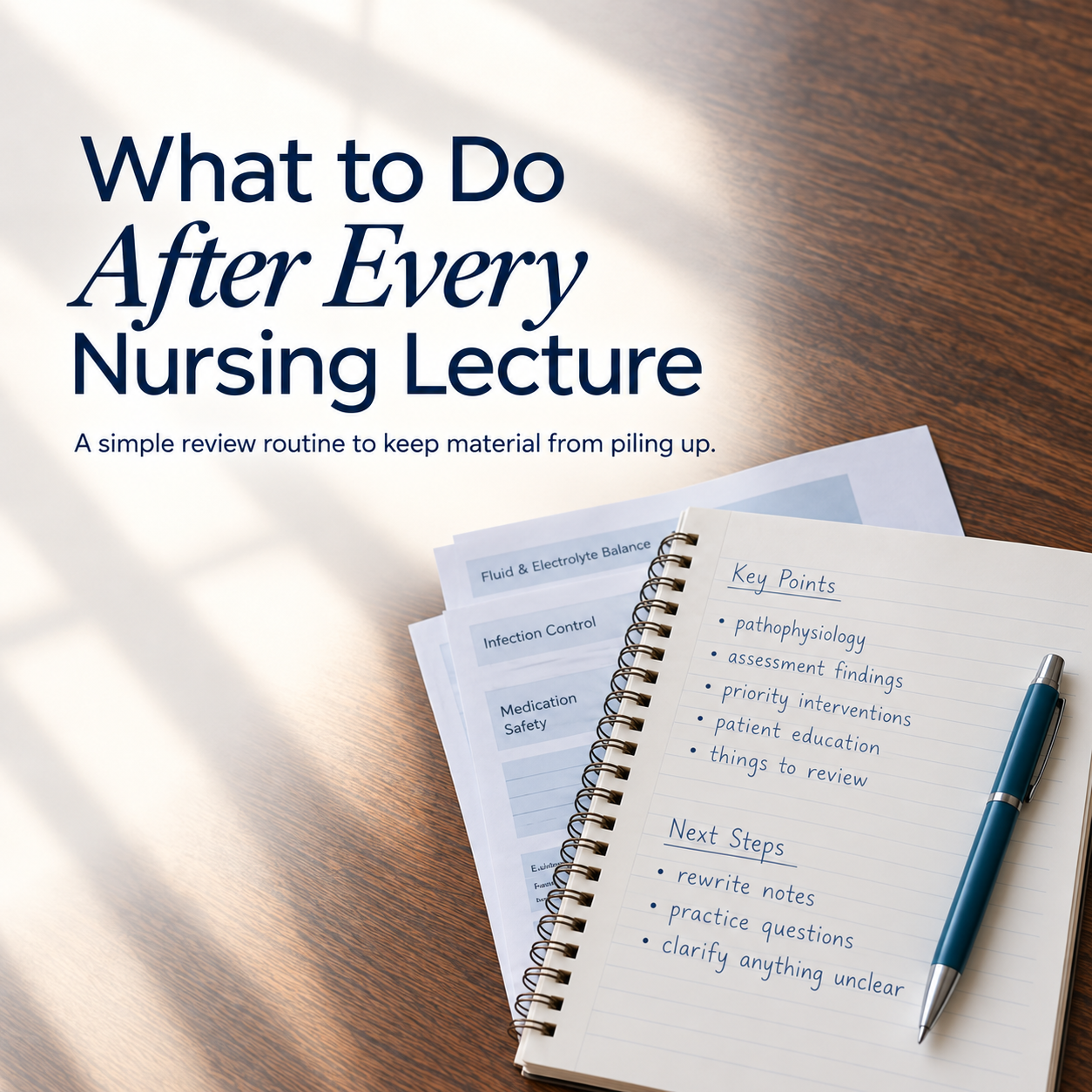
What to Do After Every Nursing Lecture
After every nursing lecture, take 15 minutes to review what you learned, identify what is still unclear, and plan your next study step. This simple routine helps you stay ahead of the material instead of trying to relearn everything before the exam.
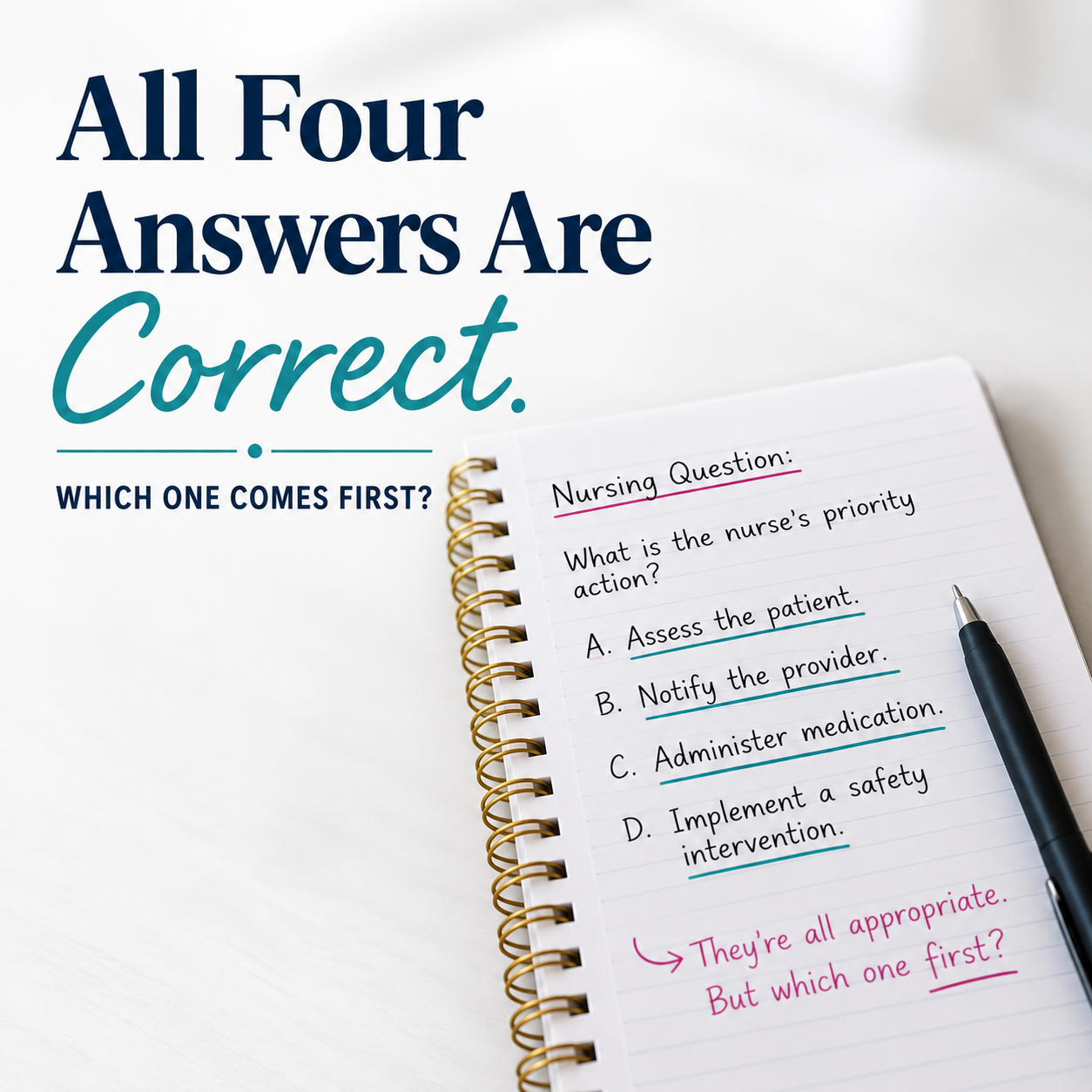
The Question Has 4 Correct Answers. Now What?
When every answer choice seems correct, how do you decide which one comes first? Learn how to compare nursing actions, identify what matters most right now, and work through priority and clinical judgment questions with more confidence.
When Should a Nurse Hold a Medication?
When should you actually hold a medication? Learn what to look for when the order doesn’t give you a hold parameter and how vital signs, labs, and assessment findings can change the decision.
Expected vs. Unexpected Findings: What Nursing Students Need to Notice
Knowing that a finding is abnormal is only the first step. Learn how to decide whether a finding is expected, unexpected, or a sign that your patient may be getting worse.
How to Make Your Nursing Care Plan Actually Make Sense
Care plans can feel like a bunch of unrelated boxes you have to fill in. Learn how each section connects and how to build a care plan that actually makes sense for your patient.
When “Assess First” Is Actually the Wrong Answer
“Assess first” is one of the most common rules nursing students learn, but it doesn’t apply to every situation. Learn when you already have enough information to act and why another assessment may not be the priority.
Airway. Breathing. Circulation. Then What?
ABCs are important, but they won’t solve every priority question. Learn when to use them, when to look beyond them, and how to decide what actually needs your attention first.
When Should You Question a Provider Order?
When should a nurse stop and question a provider order? Learn what to look for when an order doesn’t match your patient’s condition, conflicts with other information, or may not be safe to proceed with.
Doing More Questions Isn’t the Same as Learning From Them
You know the content. So why are nursing exam questions still so hard? The problem may be what you’re practicing. Learn how to move beyond memorizing the information and start using it in patient situations.
What Does It Mean to Use Your Clinical Judgment?
“Use your clinical judgment.” Okay. But how? Learn what your instructors actually mean when they say it and how to use what you know to make sense of a patient situation.

You Know the Content. So Why Are You Still Missing ATI Questions?
You know the signs, symptoms, medications, and lab values. So why do ATI questions still feel so tricky? Learn how to figure out what the question is actually asking you to do and use what you know to choose the best answer.

You Knew the Answer. So Why Did You Miss It?
You studied the content. You knew the signs, symptoms, medications, and nursing priorities. So why did you still pick the wrong answer? Learn why knowing nursing content isn't always enough and how to get better at using what you know to answer nursing exam questions.
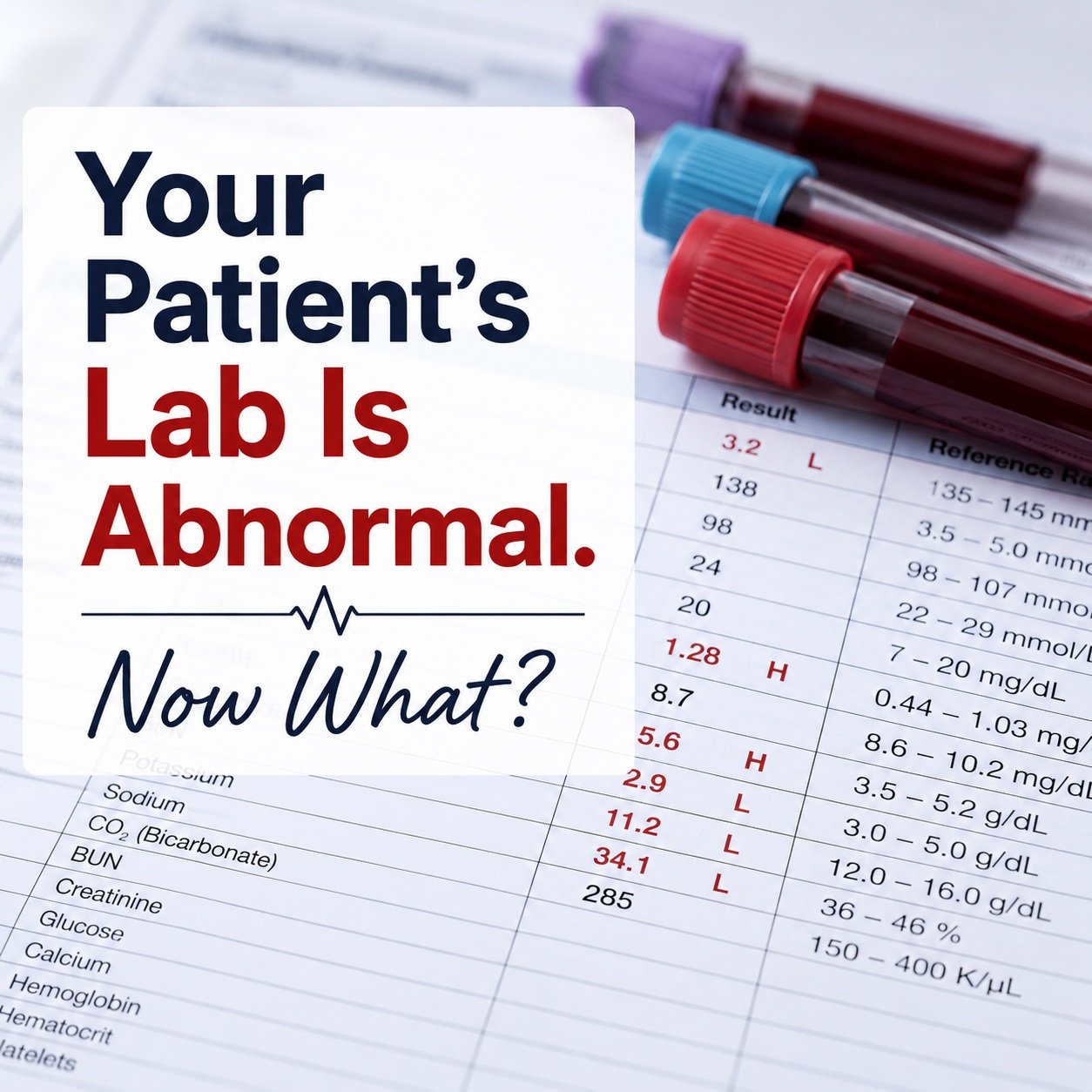
Your Patient’s Lab Is Abnormal. Now What?
An abnormal lab result is only the beginning. Learn how to look beyond the H or L, connect the result to your patient, recognize important trends, and decide which findings need your attention first.

How To Succeed In Nursing School
Nursing school comes with more content, competing deadlines, and a different kind of learning. Here’s how to adjust your study habits, use your time more effectively, and find a routine that actually works for you.